
The terms "attorney" and "lawyer" are often used interchangeably in everyday conversations, LinkedIn titles, and even job postings. But for in-house legal teams, the distinction isn’t just semantics. It influences how you define roles, communicate with business leaders, and structure your department.
While both attorneys and lawyers are trained in the law, the technical difference lies in practice and licensing; a nuance that can shape how you present your team’s expertise and responsibilities.
In this article, we’ll clarify the difference between an attorney and a lawyer, explain why it matters in a corporate legal setting, and show how understanding the distinction can strengthen your department’s communication, hiring, and organizational alignment.
Key Takeaways
- A lawyer is a professional who has completed law school and earned a Law degree.
- An attorney is a lawyer who is licensed to actively represent clients and practice Law.
- The distinction between an attorney and a lawyer is primarily technical and historical, but it can affect how you structure job titles and communicate roles within your organization.
- Regional variations exist, with "attorney" being more common in the United States, while "lawyer" or "solicitor/barrister" is often used in Common Law countries.
- Getting titles right helps clarify responsibilities, supports effective communication with business stakeholders, and improves a legal team's credibility.
What Is a Lawyer?
A lawyer is someone who has earned a Law degree (usually a J.D.) and has formal legal training. Not all lawyers actively practice law; some work in compliance, legal operations, or academia. The key point is that a lawyer understands legal principles and can analyze laws, but may not be licensed to represent clients in court.
For in-house legal teams, this distinction matters when structuring roles. You might have legally trained team members who contribute to contract review or policy guidance without requiring bar admission. Recognizing this is vital to defining responsibilities and building a balanced, efficient team.
For a deeper breakdown of titles and responsibilities, check out our comprehensive guide to in-house legal team roles.
What Is an Attorney?
An attorney is a lawyer who is licensed to practice law and represent clients in a professional capacity. To become one, a person must pass the bar exam and remain in good standing with the state bar. Unlike a lawyer, an attorney can draft legal documents, appear in court, and provide formal legal advice.
In a corporate legal department, roles labeled “attorney” typically involve direct representation, contract negotiation, or regulatory guidance. Understanding the distinction between these two roles (i.e., attorney and non-attorney) enables your team to stay compliant and remain efficient in their specialized functions.
Attorney vs Lawyer: 5 Key Differences
For most people, “attorney” and “lawyer” sound interchangeable, and in casual conversations, they often are. But inside a legal department, the distinction can affect how you define roles, write job descriptions, and communicate with business leaders.
Understanding the subtleties helps in-house legal teams build clarity, ensure compliance, and present the department’s capabilities accurately across the organization.
1. Education vs Licensure
Technically, the key difference is licensure. Every attorney is a lawyer, but not every lawyer is an attorney. A lawyer has completed a formal legal education and earned a law degree. An attorney has done all of that, passed the bar exam, and is licensed to practice Law.
In effect, licensing enables attorneys to represent clients, appear in court, and provide formal legal advice and opinions.
2. Practical Scenarios
Consider a few examples. Someone who graduates from Law school but never takes the bar exam is a lawyer, not an attorney. Another who passes the bar but lets their license lapse remains a lawyer by education, but cannot practice as an attorney until they renew it.
Only those in good standing with the bar are legally authorized to act on behalf of clients or sign off on legal documents.
3. In-House Relevance
For in-house teams, the difference directly impacts hiring and structure. Roles that list “J.D. required, bar admission preferred” often involve compliance, contract reviews, or legal operations, functions that rely on legal training but not active practice.
Conversely, positions requiring both a J.D. and bar membership typically involve handling litigation, regulatory issues, or providing direct legal counsel to the business. Knowing which roles require bar admission can help your team optimize headcount, budgets, and internal workflows.
4. Regional Context
Geography also shapes how these titles are used. In the United States, “attorney” is standard in professional and legal contexts; you’ll see it on business cards, in law firm names, and in court filings.
In the United Kingdom and other Common-Law countries, however, “lawyer” is the umbrella term, while “solicitor” and “barrister” refer to specific practice types. Understanding these variations is particularly useful for multinational organizations that manage cross-border legal teams.
5. Why Precision Matters
While no one will likely correct you for using “lawyer” instead of “attorney,” and vice versa, precision matters when you’re defining responsibilities within a legal department. Using the correct term signals professionalism and clarity, especially when communicating with executives or external counsel.
Referring to someone as an attorney reinforces that they’re licensed and accountable to a regulatory body, which strengthens your team’s credibility and compliance posture.
Why the Distinction Matters for In-House Legal Teams
At first glance, the difference between an attorney and a lawyer might seem semantic. But for in-house legal departments, title and role clarity drives efficiency and trust. Using the correct terminology helps business stakeholders understand the difference between those who provide formal legal advice and those who offer operational support.
Titles like General Counsel or Associate General Counsel typically imply bar admission, whereas roles such as Legal Operations Manager or Contract Specialist may not require it; this distinction affects how work is routed and how the department communicates its expertise.
Being precise also improves hiring and team design. Not every position needs to be filled by a licensed attorney, and the most effective legal departments often combine attorneys with non-attorney professionals in operations, compliance, and contract management.
This mix enables teams to stay lean, allocate legal resources effectively, and focus expertise where it yields the most value, all while maintaining compliance and professional oversight.
For more guidance on evaluating and hiring in-house talent, check out our article on in-house legal counsel interview questions and tips.
Finally, using titles accurately strengthens how a legal department is perceived across the business. Referring to licensed professionals as attorneys underscores accountability and credibility when engaging with executives or external partners.
With the growing pressure for legal teams to demonstrate operational efficiency and strategic impact, clearly defining and communicating these distinctions shows competent leadership.
Common Misconceptions About Attorneys and Lawyers
Even within legal circles, there’s often confusion surrounding these terms. Let’s clear up some of the most common misconceptions, especially as they apply to in-house legal teams.
1. Lawyers Can’t Give Legal Advice
Not true.
Lawyers can offer expert legal guidance and analysis, informed by their specialized education and training. What they can’t do without bar admission is represent clients in court or sign legal documents on someone’s behalf. Many unbarred lawyers work successfully in compliance, research, or policy roles that draw on their legal training without requiring active practice.
2. “Attorney” Is a More Prestigious Title
While “attorney” may sound more formal, it isn’t more prestigious; it’s simply more specific. Attorneys and lawyers are both trained in the Law, but only the former are licensed to practice Law. The difference, therefore, is about authorization, not hierarchy.
Regardless, both play important roles depending on context and team needs.
3. Only Attorneys Can Work in Legal Departments
This misconception can hurt hiring efficiency. In reality, high-performing in-house legal teams comprise a mix of professionals, including legal operations managers, paralegals, contract specialists, and compliance analysts. Not every role requires bar admission, and insisting on it can limit diversity, slow down the hiring process, and unnecessarily inflate costs.
Modern teams also rely on technology to streamline workflows and improve efficiency. And talking of improving efficiency, here’s how automation and AI can enhance your team’s productivity, with our guide to the best AI tools for corporate legal teams.
4. The Terms Are Interchangeable and Don’t Matter
In casual conversations, the terms often overlap. However, in corporate legal settings, precision is crucial. Using “attorney” to imply bar admission and licensing and “lawyer” for general legal expertise helps with communication, setting expectations, and maintaining credibility with stakeholders and external partners.
How to Use These Terms Correctly
When referring to someone licensed to practice law, use attorney or attorney-at-law. This is the right choice for formal contexts, such as contracts, negotiations, or professional introductions. For example, you can say, “This is Jane Smith, our Senior Attorney for Commercial Contracts.”
Use lawyer when speaking more generally about legal professionals or education. Saying “Our team includes several lawyers specializing in employment law” works when you’re describing expertise, not licensure.
In job descriptions, be specific. If bar admission is required, note it clearly (“J.D. and active bar membership required”). If not, use “J.D. preferred” or “legal education or equivalent experience.” Using the correct titles helps your business partners understand who is responsible for what.
Similarly, a clear team directory showing titles, bar status, and expertise ensures smooth communication and faster routing of legal requests.
Building Your Legal Team: Titles That Matter
The titles you use in your legal department do more than fill organizational charts. For starters, they define authority, clarify responsibilities, and shape how your team operates. Choosing them thoughtfully helps improve communication and accountability.
Start by mapping roles to your department’s real needs. A General Counsel or Associate General Counsel role requires bar admission. This individual offers representation, litigation, or formal legal advice. Meanwhile, Legal Operations Managers, Contract Administrators, and Compliance Specialists focus on process, data, and vendor management, valuable work that doesn’t always require licensure.
A balanced structure comprising attorneys and non-attorney professionals enables your team to scale efficiently, especially under budget constraints. It also highlights the department’s value beyond legal advice as a strategic business partner that drives processes, efficiency, and operational excellence.
Managing Your Legal Team Effectively, No Matter the Title
Whether your department includes attorneys, lawyers, or legal operations professionals, the real challenge is managing the constant flow of requests. The truth is that legal work rarely arrives neatly packaged.
Requests pour in through email, Slack, or meetings, often missing key details. Without structure, even the best-organized teams may struggle to prioritize, track progress, or show their actual workload.
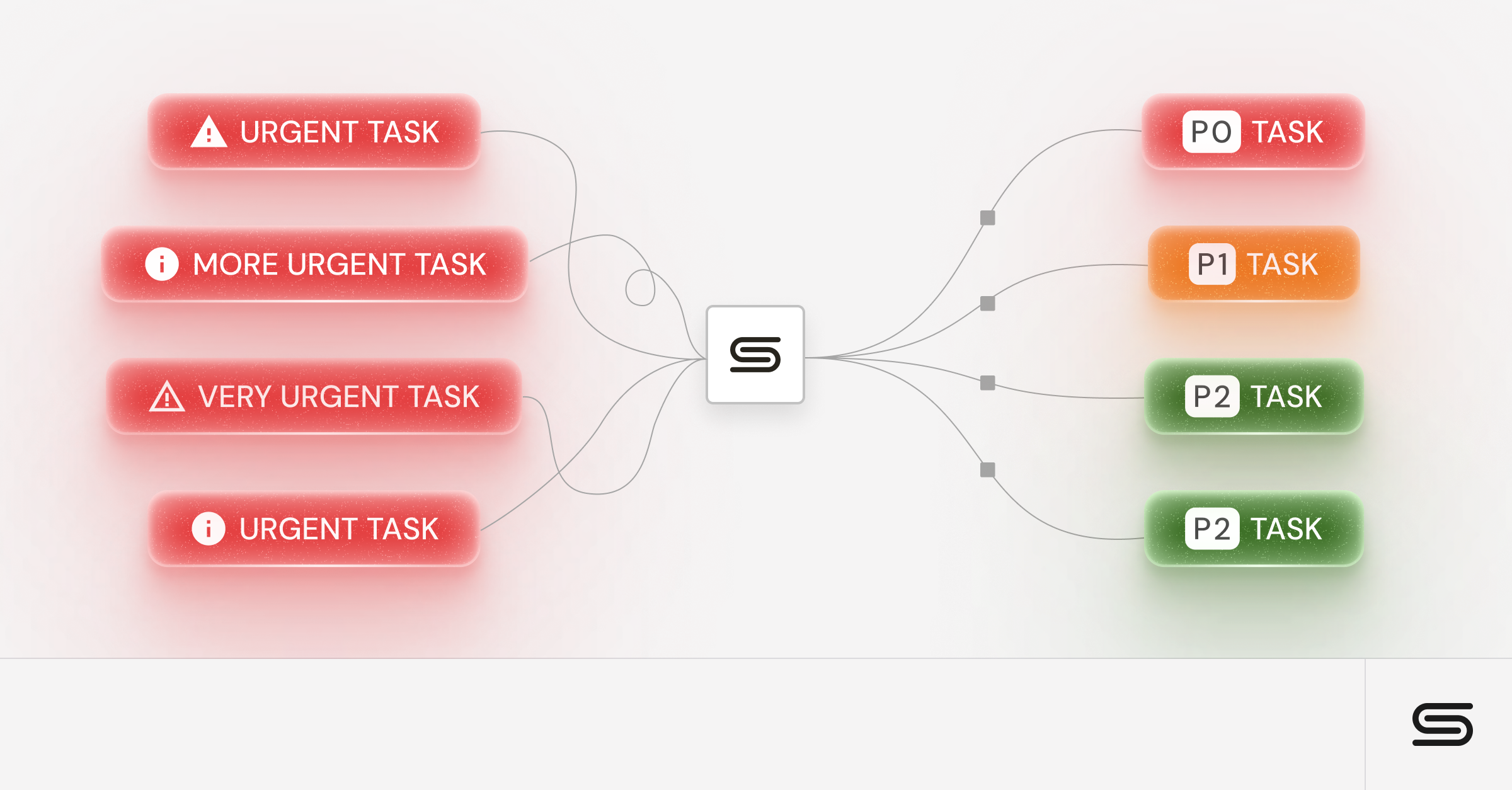
That’s where the right systems make all the difference. Tools like Streamline AI help legal teams automate intake, triage, and workflow management. Requests are entered through a centralized portal, routed to the appropriate person, whether a senior attorney, junior counsel, or legal operations specialist, and tracked through to completion.
The result is greater visibility, faster response times, and measurable data to support discussions on headcount, efficiency, and budget.
Streamline Your Legal Team's Workflow with Streamline AI
No matter how you title your legal team, work still needs to get done efficiently. Streamline AI helps in-house legal departments manage intake, automate workflows, and track the metrics that matter.
Whether you're a General Counsel managing a team of attorneys or a Legal Operations Manager coordinating a mix of legal professionals, Streamline AI gives you the visibility and control you need to run your department like a business.
With Streamline AI, you can:
- Automate legal intake from email, Slack, and Microsoft Teams so requests come in structured and ready to triage.
- Assign work to the right team members based on expertise, workload, and urgency.
- Track key metrics, such as request volume, turnaround time, and SLA compliance, to demonstrate your team's value.
- Integrate with tools like Salesforce, Ironclad, and Google Drive to keep all your legal work in one place.
Get in touch with us today to learn how Streamline AI can help your legal team work smarter and prove its strategic value. Book a demo to see how we can help you modernize your legal operations.
Frequently Asked Questions
Can a Lawyer Represent Someone in Court Without Being an Attorney?
No. To provide formal legal representation, you must be a licensed attorney with active bar membership in the jurisdiction where you're practicing. Nevertheless, a lawyer who is not licensed can still provide legal analysis and guidance in non-representational contexts.
Do All In-House Legal Team Members Need to Be Attorneys?
No. While many in-house legal roles require bar admission, legal departments often include non-attorney professionals such as legal operations managers, paralegals, contract administrators, and compliance specialists. These roles bring valuable skills, allowing legal departments to scale more efficiently without requiring every team member to be a bar-licensed attorney.
What's the Difference Between an Attorney and an Attorney-At-Law?
The terms are essentially the same. "Attorney-at-law" is a more formal designation that specifies the person is licensed to practice law, as opposed to an "attorney-in-fact," who is someone authorized to act on another's behalf under a power of attorney but is not necessarily a lawyer. In practice, most people simply use "attorney" to refer to licensed legal professionals.
Why Do Some Legal Professionals Use "Esq." After Their Name?
"Esq." stands for "Esquire" and is an honorific used in the United States to denote someone who is a licensed attorney. It's typically used in written correspondence and on business cards. Using "Esq." signals that the person is a member of the bar and authorized to practice law, but it's a matter of professional convention rather than a legal requirement.


.avif)