
A legal matter management system is the backbone of in-house legal operations, helping teams track and resolve legal requests efficiently. However, without a robust intake and triage process, matter management becomes reactive and chaotic, leading to bottlenecks and delays.
Traditional systems often lack the necessary tools to intake requests efficiently, prioritize effectively, and provide visibility into legal workflows. A smarter intake, triage, and prioritization system can transform how legal teams handle matters from the start.
Key Takeaways
- A matter management system is only as strong as the intake and triage process feeding it. Weak intake makes matter management reactive and chaotic.
- Legal intake captures and organizes incoming requests, while triage assesses each request's urgency, risk, and complexity and routes it to the right person.
- Many matter management systems fall short because of limited intake scope, rigid forms, manual triage, poor visibility, and inflexible workflows.
- An integrated intake and triage system delivers complete oversight, earlier risk identification, optimized workflows, and better collaboration and visibility.
- Ready to fix intake at the source? See how Streamline AI delivers smarter intake, triage, and matter management, and book a demo.
What is legal intake and triage?
Legal intake is the process of capturing and organizing incoming legal requests from across an organization, ensuring that all necessary information is collected upfront. A well-designed intake system centralizes all legal requests in a structured and actionable manner, reducing inefficiencies caused by back-and-forth communication and incomplete submissions. Additionally, a user-friendly intake system encourages business stakeholders to submit requests through proper channels rather than resorting to unstructured emails or spreadsheets.
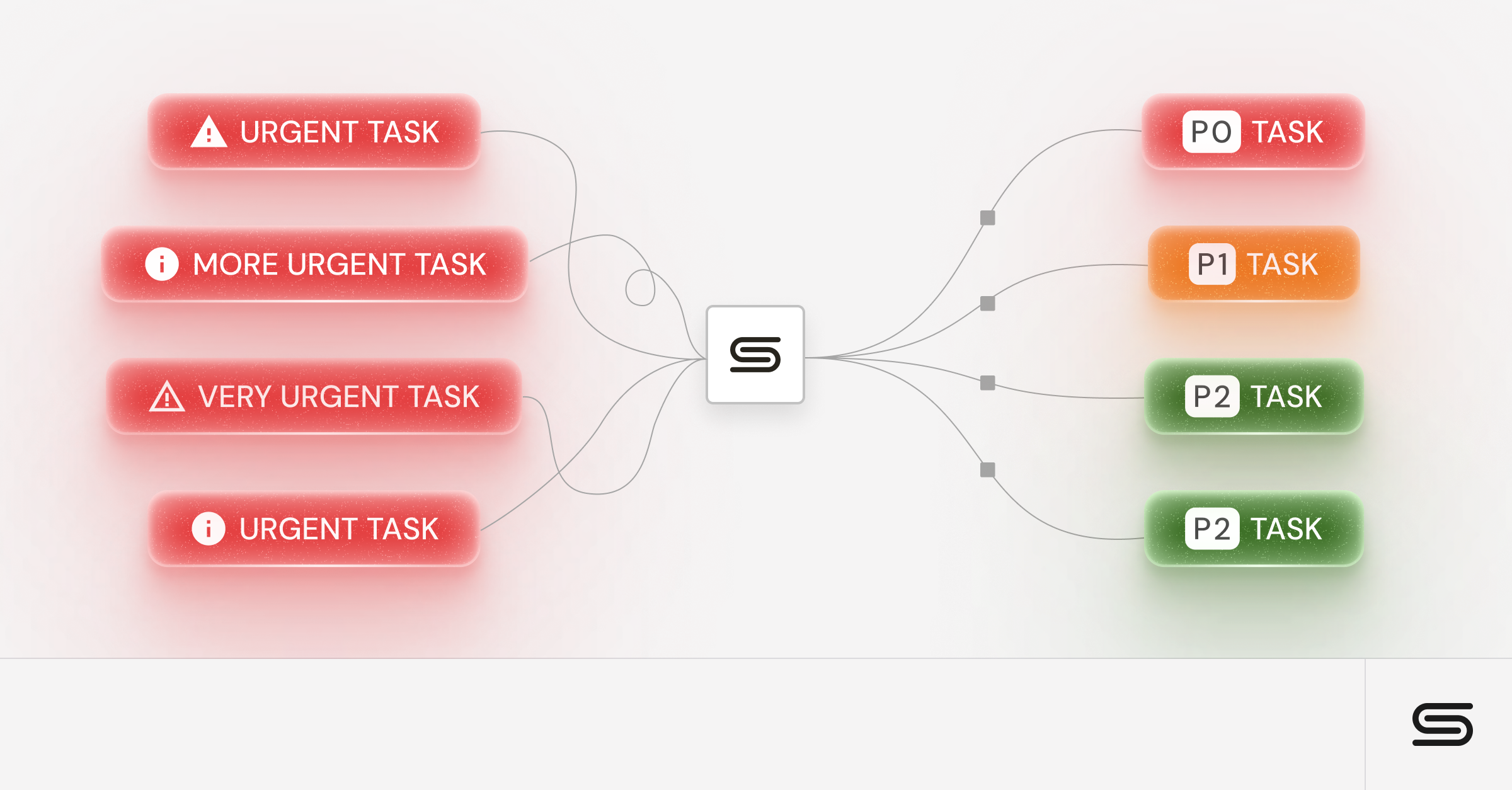
While effective intake captures essential information, the next critical step is proper categorization and routing. Triage involves assessing the urgency, risk, and complexity of each request and assigning it to the appropriate legal professional or department. By automating this process, high-priority matters receive immediate attention. A strong triage process also routes matters to the right legal professional based on expertise and priority level. This not only reduces bottlenecks but also enhances overall workflow efficiency.
Together, intake and triage are the heartbeat of matter management. When optimized, the legal department operates like a well-oiled machine. When neglected, the entire matter management system fails.
Where some matter management systems fall short
Despite the clear importance of intake and triage processes, many existing matter management systems fail because they lack a strong foundation in these areas. Here are some common pitfalls that can undermine even well-intentioned legal operations:
- Limited intake scope: Many systems only intake contract-related matters, ignoring the many other types of legal requests. Without a complete picture, legal teams are left with unreliable metrics and inefficient workflows.
- Rigid intake processes: Some systems require requests to be submitted through forms or spreadsheets, ignoring more natural entry points like email or messaging apps like Slack. This friction leads to lower adoption rates.
- Unintuitive request portals: If the legal front door is difficult to use, business stakeholders will bypass it, resorting to unstructured email requests that create chaos for legal teams.
- Manual triage and routing: Without automation, legal teams must manually assess and assign every request, wasting valuable time and increasing the risk of oversight.
- Lack of visibility for business stakeholders: When requesters can’t see the status of their legal matters, they resort to constant follow-ups, disrupting legal workflows and reinforcing the perception of the legal department as a “black box.”
- Inflexible workflows: Many systems are outdated or too rigid, requiring IT or third-party vendors to create or modify workflows, making it nearly impossible for legal teams to tailor processes to their needs.
Key benefits of an integrated intake and triage system
While traditional platforms struggle with the challenges mentioned above, a modern intake and triage system transforms these pain points into opportunities for improvement. Here are several key advantages that directly improve legal operations:
- Comprehensive oversight: Capturing all requests in a single system provides a full view of legal work, allowing teams to optimize workflows and improve decision-making through accurate data-driven insights.
- Enhanced risk management: High-risk matters are identified early so that critical legal issues receive prompt attention.
- Optimized workflows: Automated task assignments and approvals increase efficiency and reduce time-to-close for legal matters.
- Improved legal service delivery: Streamlining intake and triage reduces time spent on administrative tasks and decreases the likelihood that requests slip through the cracks.
- Better collaboration & visibility: Transparent request tracking reduces unnecessary follow-ups and improves the perception of legal within the organization.
- Robust knowledge management: A centralized system of record allows legal teams to reference past matters, enabling continuous process improvement and efficiency gains.
“All our teams know there’s an easy way to submit requests to Legal. We’re now getting looped in early, so we’re able to get ahead of the game. Legal doesn’t have that perception of being a blocker or reactive. We can track whether things require a quick answer or need a more in-depth answer, where they’re coming from, and more. We can manage requests more efficiently and improve turnaround times for legal requests.” - Brenda Perez, Senior Legal Operations Manager, Apollo.io
How Streamline.ai delivers a superior matter management system
Streamline.ai directly addresses the critical intake and triage needs of in-house legal teams with an intelligent, user-friendly solution. With customizable, no-code intake forms, legal teams can capture complete, structured data from the outset without requiring IT support. A seamless request portal provides a user-friendly interface, encouraging business stakeholders to submit requests through proper channels and reducing email chaos.
AI-powered triage tools assess and assign matters based on urgency, risk, and team member expertise. Integrated collaboration tools keep business stakeholders informed without manual follow-ups, and all communications remain centralized for future reference, creating a more efficient and transparent legal department.
Discover how Streamline.ai can optimize your legal team’s workflows. Schedule a demo today!
Frequently Asked Questions
What Is Legal Intake And Triage?
Legal intake is the process of capturing and organizing incoming legal requests from across an organization, ensuring necessary information is collected upfront. Triage is the next step, assessing each request's urgency, risk, and complexity and routing it to the right legal professional. Together they form the foundation of effective matter management.
Why Do Matter Management Systems Fail?
Many systems fail because they lack a strong intake and triage foundation. Common pitfalls include intaking only contract-related matters, rigid forms that lower adoption, manual triage that wastes time, poor visibility for requesters, and inflexible workflows that require IT to change. These gaps leave legal teams with unreliable data and bottlenecks.
What Are The Benefits Of An Integrated Intake And Triage System?
An integrated system captures all requests in one place for complete oversight, identifies high-risk matters early, automates task assignment to reduce time-to-close, cuts administrative work, and improves collaboration through transparent tracking. It also builds a knowledge base of past matters that supports continuous process improvement.
How Does Automated Triage Improve Legal Operations?
Automated triage assesses and assigns matters based on urgency, risk, and team member expertise without manual review. This makes sure high-priority matters get immediate attention, reduces the risk of oversight, and frees legal professionals from repetitive routing work. The result is faster response times and more consistent handling of requests.
What Makes A Good Legal Intake Process?
A good intake process centralizes all legal requests in a structured, actionable format and meets business stakeholders where they already work, such as email or messaging apps. It uses clear, user-friendly forms that encourage adoption, captures complete information upfront, and reduces the back-and-forth caused by incomplete or scattered submissions.

.avif)