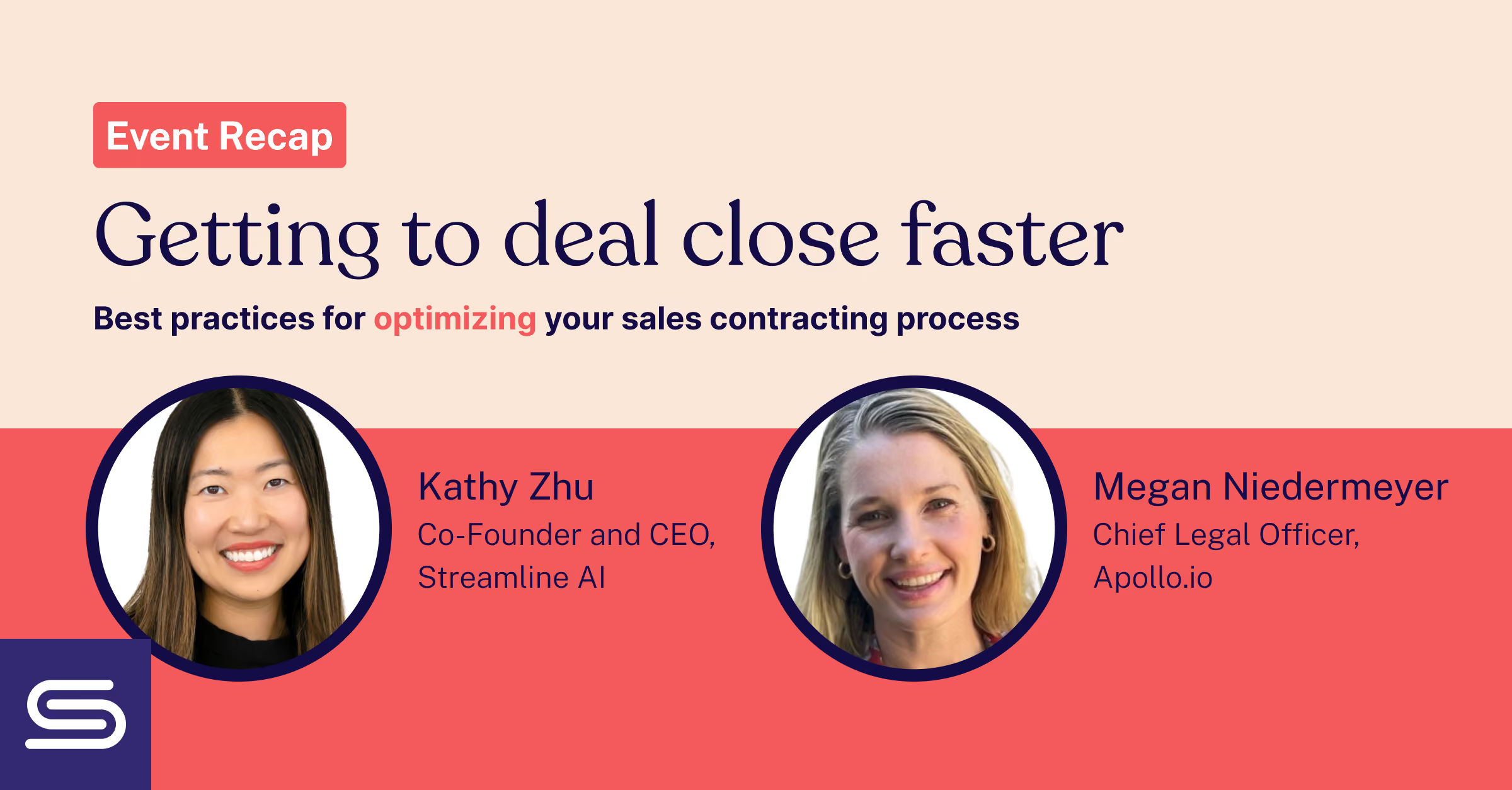
For in-house legal counsel, supporting the sales team and helping contracts get closed quickly and efficiently is a top priority. Kathy Zhu, CEO of Streamline AI, and Megan Niedermeyer, Chief Legal Officer at Apollo.io, shared tested, practical recommendations on optimizing the sales contracting process for efficiency based on their experiences in scaling the commercial contracting function.
Key takeaways from the conversation:
1. Map out your entire contracting process from start to finish. This allows you to identify bottlenecks, areas for automation, and opportunities to accelerate the process. Don’t just focus on legal’s role — understand the entire flow across all teams involved. Include all sub-steps and identify which teams are involved in each part. As Kathy pointed out, “The more clearly we can define our role when we come in, what we’re responsible for — and more importantly, what we’re not responsible for — the better it is for our workload, management, sanity, and efficiency.”
2. Gather and analyze process data. Collecting and analyzing data is crucial for understanding where bottlenecks occur. Look at request volume trends, which teams send the most work, how long each stage takes, and the percentage of contracts on company paper vs. counterparty paper. Use this data to plan resources, identify hidden inefficiencies, and advocate for process changes.
3. Partner with cross-functional stakeholders. Legal teams are just one part of the contracting process. Engaging with cross-functional stakeholders, especially the sales team, can foster a sense of collective ownership and improve collaboration. Build trust by being responsive and transparent about SLAs and timelines. Regular touchpoints and involving them in the process changes can significantly reduce friction.
3. Empower the sales team. Proactively educate the sales team on key contract terms to negotiate for early on. This allows Sales to address business concerns upfront, so by the time the contract reaches Legal, legal counsel can focus squarely on the legal issues at hand without getting sidetracked by commercial discussions.
4. Create a self-service intake process. Standardizing how requests come into the legal team can save significant time and reduce back-and-forth communications. A self-service intake portal can help streamline the initial stages of the contracting process. Set up an intake and triage software that integrates with your existing tools (like email, Slack, and Salesforce), such as Streamline AI, to capture all necessary information upfront.
5. Optimize contract templates and playbooks. Great negotiation playbooks not only provide approved fallback positions, but explain the “why” behind your policies. Well-written playbooks with embedded guidance can eliminate the need for calls. Including explanatory comments on contract drafts for the other side can also minimize the need for lengthy negotiation calls.
6. Invest in legal technology, such as automation software. Technology can be a game-changer in accelerating the contracting process. Tools that automate contract review, track metrics, and manage workflows can free up legal teams to focus on higher-value tasks. AI tools like Streamline’s SmartParse can automatically identify non-standard terms and kick off approval routing based on your primary and fallback “strike zone” position playbooks.
7. Make sure all stakeholders understand their role in the approval process. Provide them with the information they need to approve quickly. Consider an legal priority and escalation framework to handle urgent requests.
8. Tracking KPIs can help showcase Legal’s impact and make the case for more resources. Track legal metrics at stage stage such as time to first response, time waiting on other teams, number of turns per contract, etc. Showcase this data (and improvements over time) to demonstrate Legal’s impact and make the case for more resources, if needed.
By following these tried and true strategies, your in-house commercial legal team can enhance efficiency and support faster deal closures — a win for the legal team and the business. Download our ebook on the sales contracting process to access more tips. To learn more about how Streamline AI’s software can help you fast-track your sales contracting process, request a demo today.
Watch the session:
Frequently Asked Questions
How Can Legal Teams Speed Up The Sales Contracting Process?
Legal teams speed up sales contracting by mapping the entire process to find bottlenecks, analyzing process data, partnering with cross-functional stakeholders, empowering sales to handle business terms early, creating a self-service intake process, optimizing templates and playbooks, and investing in legal technology that automates review and routing.
Why Is Mapping The Contracting Process Important?
Mapping the full contracting process from start to finish reveals bottlenecks, automation opportunities, and ways to accelerate. Looking beyond legal's role to understand the entire flow across teams, including sub-steps and who is involved, helps legal define its responsibilities clearly and manage workload more effectively.
How Can Sales And Legal Collaborate On Contracts?
Sales and legal collaborate best when legal partners with sales as a stakeholder, builds trust through responsiveness and transparency about timelines, and proactively educates sales on key contract terms to negotiate early. When sales handles business concerns upfront, legal can focus on the legal issues rather than commercial discussions.
What Is A Self-Service Intake Process For Contracts?
A self-service intake process standardizes how contract requests come into legal, usually through a portal or form that captures needed information upfront. Integrating intake with tools sales already uses, such as email, Slack, and Salesforce, reduces back-and-forth and streamlines the early stages of the contracting process.
How Does Technology Accelerate Contracting?
Technology accelerates contracting by automating contract review, tracking metrics, and managing workflows. Tools that flag deviations from playbooks and route requests to the right reviewers free legal teams from manual work, reduce delays, and help contracts move through review and approval faster.


.avif)