
Year after year, the workload for in-house legal teams increases even as budgets are slashed. In 2024, 69% of general counsel faced moderate to significant cost pressure, and 59% of chief legal officers (CLOs) said their workload had increased in the past year.
So, it’s valid for GCs, CLOs, and other corporate legal leaders to be unhappy about budget constraints. It can feel like the only answer is a bigger budget, even when you know that’s an uphill battle.
But as a smart general counsel, you realize it’s prudent to focus on the variables you can control. For example, could operational inefficiencies within the legal department — particularly around legal matter management — be contributing to frustrations? How can you identify a better way forward when you’ve always done things the same way?
Here are some key warning signs that indicate your team’s processes need a tune-up.
Key Takeaways
- In-house legal workloads keep rising even as budgets tighten, so controlling operational inefficiency is one of the few levers legal leaders can actually pull.
- Warning signs of inefficiency include lawyers spending hours on manual intake, no visibility into operational KPIs, team burnout, and disconnected technology systems.
- Operational inefficiency carries real and emotional costs, from wasted attorney time to turnover and disengagement across the team.
- Dedicated in-house legal matter management software is the most reliable way to measure operational metrics and identify where work slows down.
- See where your team loses time. Streamline AI centralizes intake and surfaces the metrics that expose bottlenecks. Book a demo.
Signs of inefficiency in corporate legal departments
1. Lawyers spend hours on manual intake of matters each week
If you’re a manager or executive-level leader for your legal department, put yourself in the shoes of your lawyers. It’s 8 a.m. on a work day, and your inbox is already overflowing with “urgent” requests. The sales team wants a contract reviewed yesterday. HR needs a compliance question answered by lunch. Procurement sent you a 100-page RFP to sift through by the end of the week. And you have four unread Slacks you’re avoiding because you can’t stomach more being asked of you.
For many in-house counsel, this is the norm. But, it shouldn’t be. There are significant costs to a business for this type of inefficiency, both real and emotional. Instead of constantly digging through emails, spreadsheets, messaging apps, Salesforce, ticketing systems, and sticky notes to figure out what they need to do, lawyers should be able to sit down each day, open one system, and quickly know what their priorities are, freeing up their time to focus on high-impact legal work.
2. You don’t know (or can’t measure) your team’s operational KPIs
The metrics that matter most can vary by organization, but common legal KPIs include volume of work, average turnaround time for requests, average time at each approval stage, and number of contracts reviewed or matters completed per month. Without this insight, it’s nearly impossible to make decisions about your team’s current and future capacity.
You probably already know these numbers could be beneficial, but if you aren’t measuring the figures for your team, you’re not alone. Only 46% of legal departments globally are using KPIs to measure the department’s operating model. For many teams, identifying these KPIs is difficult because they don’t have the data. The best and easiest way to start measuring operating metrics accurately is with dedicated in-house legal matter management software. Processes can feel scattered and chaotic without these tools.
3. Your team is burned out
Inefficiency can impact your team on a deeply personal level. When attorneys are working too hard, they’re often the first in and the last out each day. Even if they’re hard workers, you might find a general lack of motivation and morale across the team. As the problem gets worse, the turnover rate increases, leading to repetitive investment in training new hires.
It can be easy to assume that decreasing productivity is the fault of individual employees, but if you notice a problem with multiple team members, operational inefficiency may be to blame. When in-house counsel have to work overtime just to get the bare minimum done, they don’t have the energy to support strategic projects.
In other words, your team’s inefficient processes may be driving good talent away.
4. You’re using several disconnected technology systems to manage the legal function
If you’re using any dedicated legal technology, that’s a step in the right direction. But systems that don’t talk to each other can create more admin work than they’re worth.
For example, if your contract lifecycle management (CLM) software doesn’t integrate with the generic project management or ticketing system you use for tracking legal requests (e.g., Jira, Monday.com, Asana), contract requests must be duplicated in each system. And without one single source of truth, stakeholders involved in the approval process can get confused about which tool to use, leading to miscommunication or complete disregard for the processes you’ve tried to set in place.
With disconnected systems, collaboration is harder, projects move slower, and KPIs are more difficult to measure.
5. Other teams have a negative view of the legal department
Stop us if any of these complaints sound familiar:
- Legal is a total black box — what do you guys even do over there?
- Legal is just a deal blocker. They don’t want us to make sales.
- It takes forever for me to hear back when I submit a legal request.
- The legal department doesn’t generate revenue. We need to cut costs as much as possible.
We bet you’ve heard one (or all) of these before. Sure, the problem could be a lack of internal PR, which could be remedied with better communication about the work your team is doing. But it could also be that inefficiencies are slowing lawyers down and preventing them from contributing real value to the business.
Improved efficiency and better prioritization help in-house lawyers focus on revenue-generating projects, providing better business value and improving internal stakeholder satisfaction. And, as a bonus, that positive perception opens up the possibility of the finance team granting a bigger budget. It’s a win-win.
Escape the vicious cycle of operational inefficiency
Put the usual chaos aside for a moment and imagine a legal department that’s proactive, collaborative, and fully aligned with the organization’s goals. It’s possible — but first, you need to address the inefficiencies holding you back.
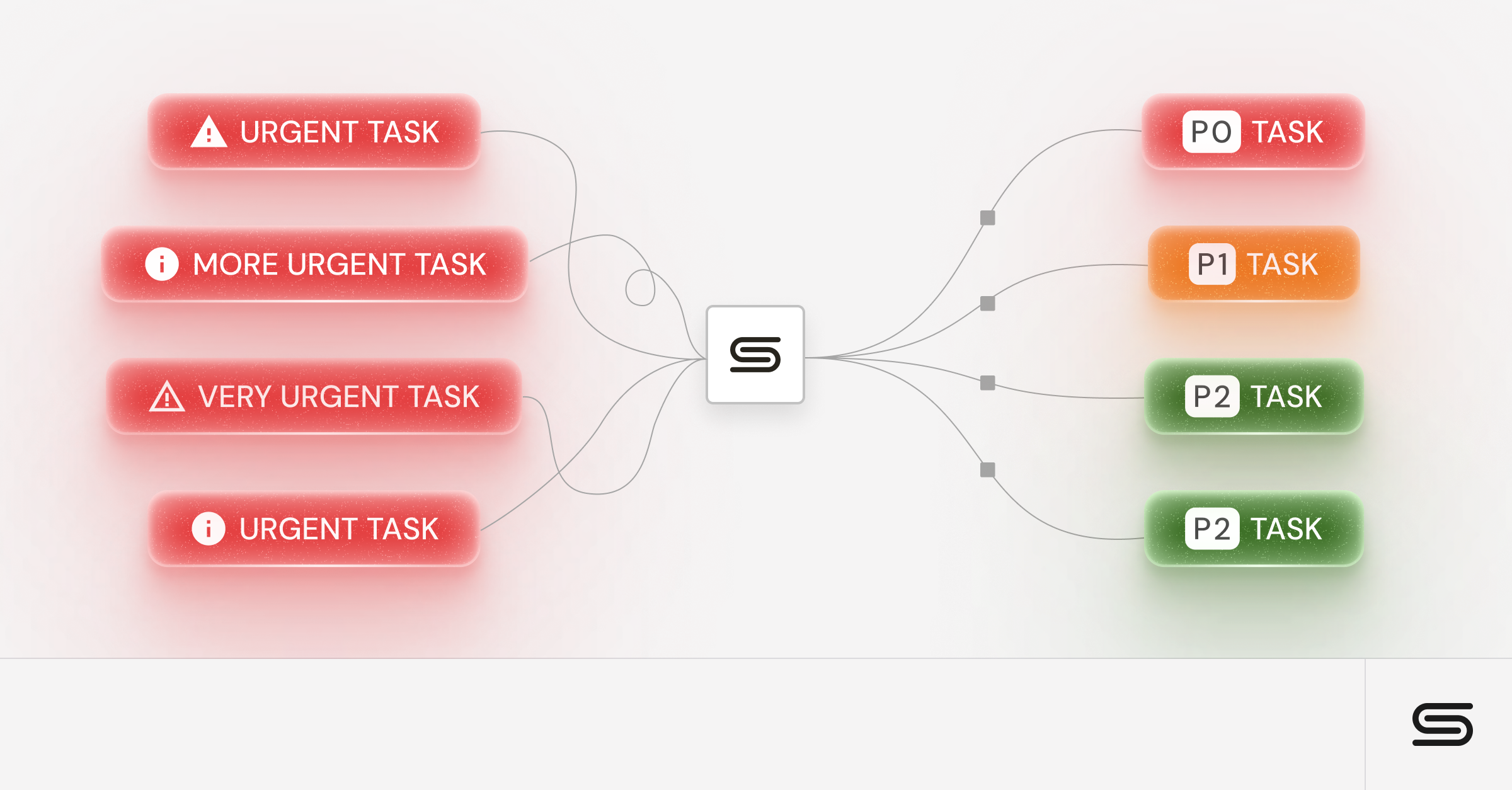
If your team isn’t using matter management software to centralize and automate intake, triage, contract review, and more, it’s time to look for a solution. Streamline AI is the modern front door for legal, helping you gain complete visibility into all your team’s work and free up resources for strategic initiatives.
Learn more about Streamline AI’s matter management software.
Frequently Asked Questions
What Are The Signs Of An Inefficient Legal Department?
Common signs include lawyers spending hours each week on manual intake, an inability to measure operational KPIs, visible team burnout and turnover, and reliance on several disconnected technology systems. These symptoms point to scattered processes that waste attorney time and make it hard to manage capacity or demonstrate impact.
How Does Operational Inefficiency Affect Legal Teams?
Inefficiency carries both real and emotional costs. Lawyers waste time digging through emails, spreadsheets, and messaging apps instead of doing high-impact work. Overworked attorneys lose motivation, morale drops, and turnover rises, which forces repeated investment in training. Inefficient processes can ultimately drive good talent away.
Why Can't Many Legal Teams Measure Their KPIs?
Many teams cannot measure KPIs because they lack the underlying data. Requests and work are scattered across disconnected tools, so there is no single source of truth. Without dedicated matter management software, capturing consistent data on volume, turnaround time, and approvals is difficult, leaving teams unable to assess capacity.
How Can Legal Teams Reduce Operational Inefficiency?
Legal teams reduce inefficiency by centralizing intake into one system, measuring operational KPIs, and replacing disconnected tools with an integrated platform. Dedicated matter management software gives lawyers a single place to see priorities and gives leaders the data to spot bottlenecks and make informed capacity decisions.
Why Do Disconnected Legal Systems Cause Problems?
When legal tools do not integrate, work must be duplicated across systems and stakeholders get confused about which tool to use. This creates extra admin work, miscommunication, and gaps in tracking. Without one source of truth, requests slip through the cracks and it becomes hard to measure the department's performance.


.avif)