
This article originally appeared on Law.com on April 14, 2026.
On Tuesday, Streamline AI, a company that develops workflow automation software for in-house teams, announced the launch of a new version of its generative artificial intelligence-powered platform for corporate legal departments.
The launch follows the announcement of an $8.6 million Series A funding round in July 2025.
What It Is: Streamline’s updated platform is designed to use agentic AI capabilities to help in-house teams automate tasks like intake, triage, matter assignment and initial reviews and approvals. The platform relies on a number of agents to process incoming requests, solicit further information and perform initial legal work for lawyers to review.
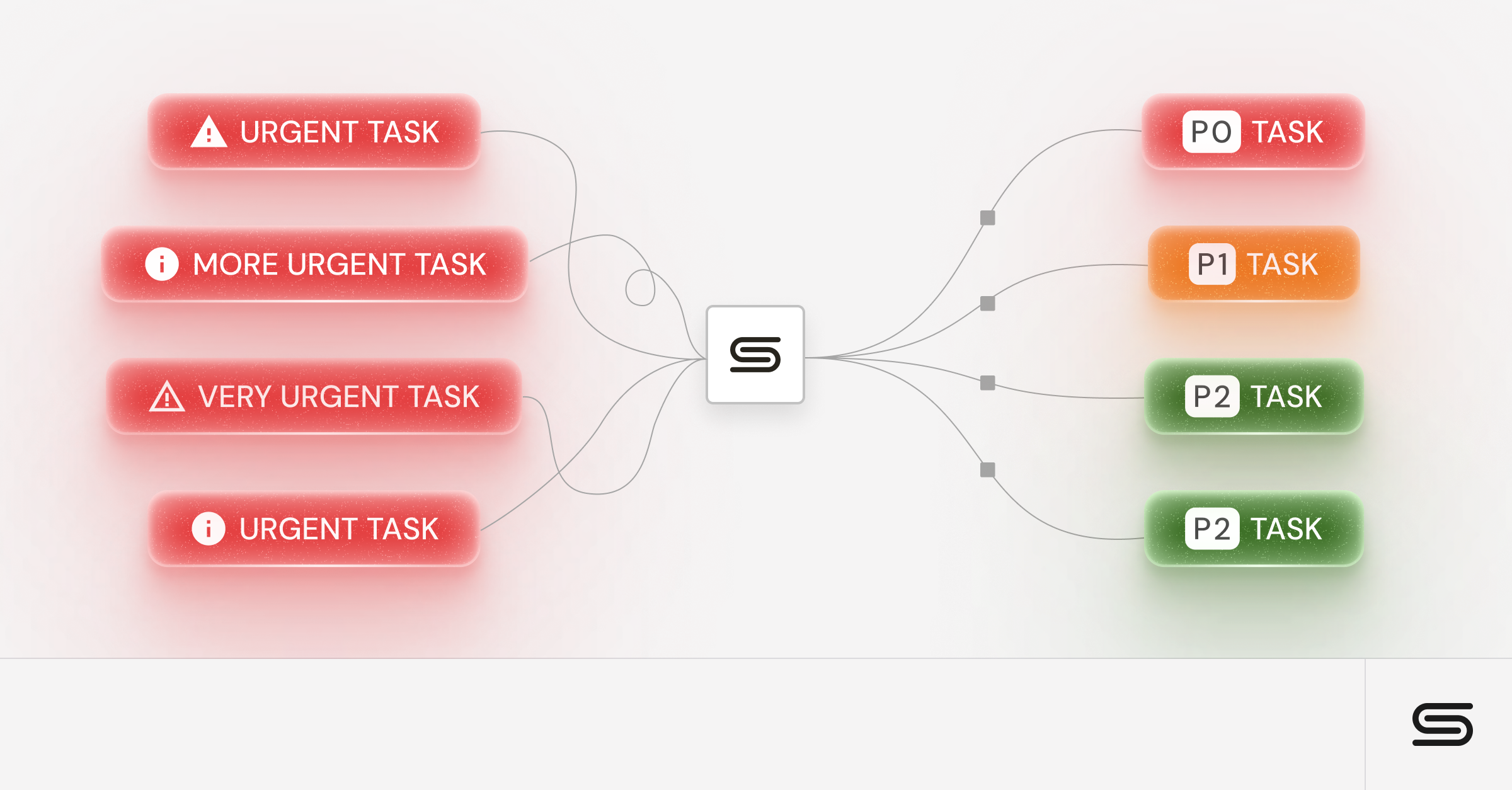
The updated platform also features a pair of new AI products, Velo Copilot and Featherline. Velo Copilot is a coordinating AI agent that leverages historical and conversational data to route matters to the appropriate other agent or attorney, triage for importance and recommend next steps.
“We're already gathering and collecting data across the entire end-to-end request lifecycle,” said Streamline AI co-founder and CEO Kathy Zhu. “All of that rich data and institutional knowledge is now at the legal team's fingertips,” allowing for both proactive information sharing with team members and automatic assignment to additional agents.
Featherline is designed to perform autonomous contract reviews assigned by Velo Copilot. Zhu said upon receipt of a contract the tool can “parse through the document, flag the key areas of risk, map it against your negotiation playbook, and surface all of that data and insights directly in the Streamline platform before the lawyer has even opened up Microsoft Word.”
The platform includes pre-built integrations with document management systems to allow Steamline’s agents to access the information and documents they need.
Why It’s Needed: Zhu said that Streamline was designed to help in-house teams perform routine work more quickly and efficiently, freeing up staff time to address novel issues or bring more work back in-house.
“Ultimately, the goal is for the legal team to stop spending so much time and being so burdened with the low-value, high-volume, repetitive work,” she said. “Instead, we can actually dedicate and focus our attention and time on the truly strategic matters, the novel issues that help the business move forward.”
She added that the use of an end-to-end platform for in-house work could help attorneys minimize the amount of time they have to spend tracking down and transferring data from disparate sources.
“When tooling lacks a shared data layer, when it doesn't have access to that context, the lawyer then becomes the connective tissue,” she said.
Under the Hood: Streamline’s AI agents are built on foundation models from AI developer OpenAI.
Zhu said that each of the platform’s agents, which address distinct tasks such as intake, information gathering, and marketing compliance, are custom built to provide them with access to the capabilities and information sources they need.
The Competition: Recent months have seen a flurry of new developments from companies developing AI powered tools for in-house teams.
In-house workflow management platform Sandstone publicly launched with the announcement of a $10 million seed round in January, and CheckBox announced a $23 million Series A later that month. Enterprise legal management and contract lifecycle management company Onit released its Unity ELM platform in March, and LawVu acquired ClauseBase to improve its drafting and data extraction capabilities in December 2025.
There are also a number of vendors that offer contract review products for in-house teams, including Spellbook, Luminance and Definely.
Zhu believes that Streamline AI’s end-to-end nature sets it apart from vendors offering point solutions, which she said “don't have access to all of the institutional knowledge, all the previous requests, the exceptions the legal teams made, the approvals, all the internal guidance that may have happened, and so what they're able to deliver on is just that piece that's disconnected right from the from the bigger picture.”

.avif)