
Without a solid approach to the tasks on your plate, it’s easy to get overwhelmed and lost in the midst of pressing deadlines and competing priorities. But remember, you left law firm life for better work-life balance in-house, so how can you find that zen? Dive into these five tips for legal teams to streamline your work, optimize productivity, and maintain sanity.
Key Takeaways
- Without a solid approach to workload, in-house lawyers can get overwhelmed by pressing deadlines and competing priorities.
- Better prioritizing requests by urgency and importance makes sure the most pressing legal work gets tackled first.
- Task management and workflow automation software keep track of what is on your plate and route work to the right people.
- Learning from your team and setting realistic deadlines reduce stress, improve quality, and keep operations running smoothly.
- Ready to automate routing and track your workload? See how Streamline AI helps and book a demo.
Better prioritize legal requests
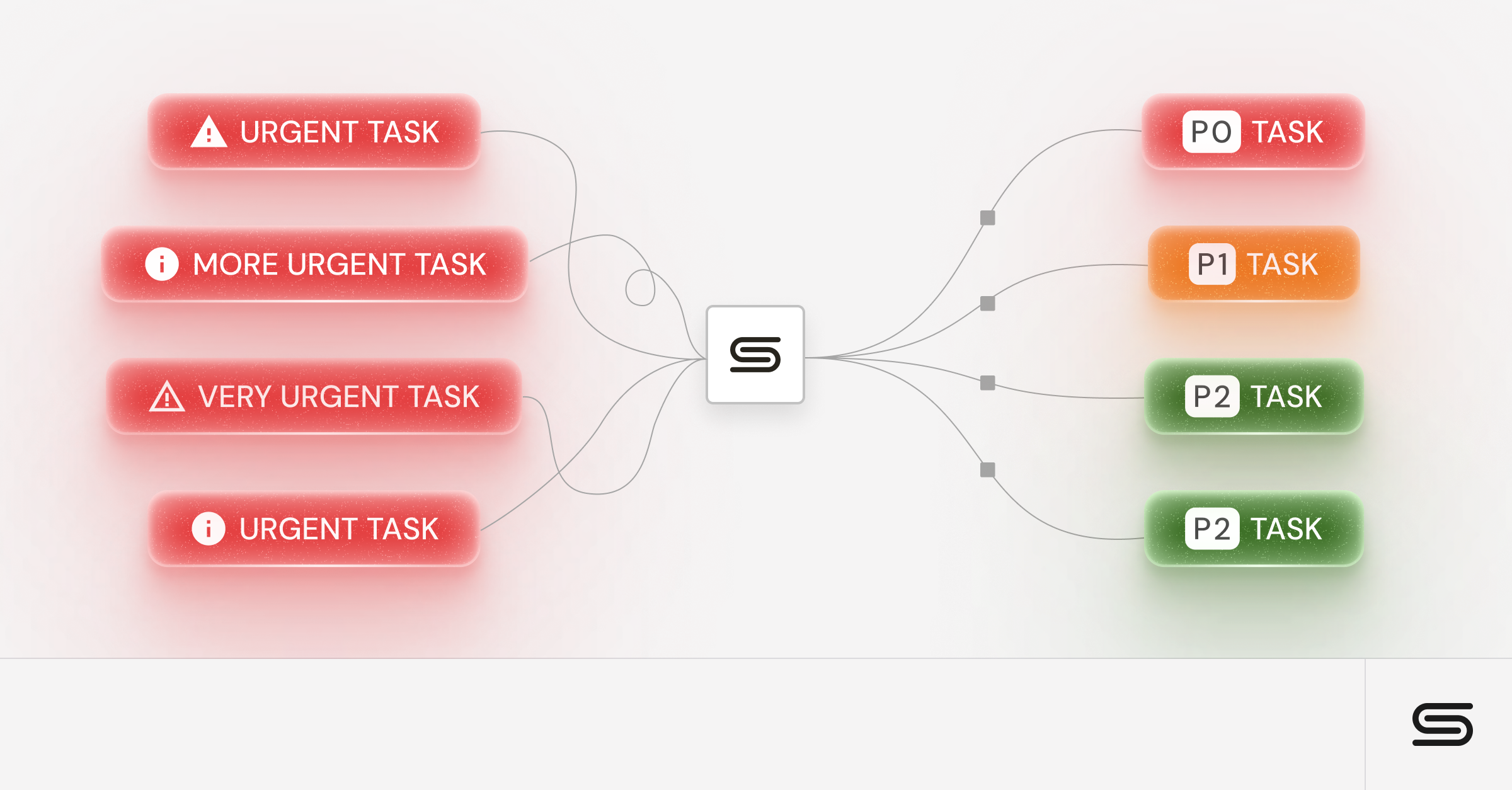
When you‘re swamped with legal tasks, even getting started can be daunting. That’s why distinguishing between “urgent” and “I-just-think-it’s-urgent” is pivotal. Consult with your business stakeholders to understand both the urgency and importance of their request. Urgency refers to how soon the legal request needs to be completed, while importance gauges how critical the legal request is to the business. Give priority to tasks that are both urgent and important first. By systematically prioritizing legal requests based on their urgency and importance, you can better manage your workload.
For example, a marketing compliance review for a campaign launching next week should take precedence over a minor product question. By correctly prioritizing, you’ll tackle the most pressing issues first, ensuring smoother operations.
Leverage task management software
White jotting to-dos with pen and paper might work in the short run, but it becomes unwieldy fast as requests come in from different communication channels. Consider legal task management software to automatically keep track of what’s on your plate and where things stand.
Towards the end of the quarter, Legal often sees a flood of sales questions and contract requests. With legal task management software, it’s easier to track which legal requests are in review, where approvals and signatures stand, and which are successfully completed.
Automate where possible
If you’re still manually routing reviews and approvals, it’s time for a technological glow-up. Automation tools can save precious time by ensuring the right tasks reach the right people automatically, so you’re not spending precious time manually pinging people to loop them in. Remember, you didn’t spend a small fortune on law school tuition because you love doing administrative work.
Instead of endless back-and-forth emails to gather and follow up on approvals and signatures, use a workflow automation tool that routes requests to the right people in a sequence. The tool should give you the latest status updates in one glance. Use that time saved to check off other to-dos on your list. This way, you’re not just passing the baton but making sure it’s a seamless relay race.
Talk to and learn from your team
Remember, communication isn’t just about speaking; it’s about understanding. Regular team discussions with your team about priorities and work alignments can provide clarity, reduce overlapping efforts, and foster a cohesive work environment.
Discussing best practices within teams can provide insights into how to do things more efficiently. For example, set a monthly meeting to discuss sales contracting potential pitfalls or how to work with different cross-functional teams. By pooling together everyone’s wisdom, you can uncover new approaches, proactively address common challenges, and cultivate a collaborative environment where everyone learns from each other’s experiences. Plus, getting these trainings approved for CLE credit might even be possible.
Set realistic deadlines
While believing we have superhero-like capabilities is tempting, setting actually attainable deadlines is crucial for mental health and success at work. It ensures quality work, reduces stress, and maintains a positive team atmosphere.
For example, don’t promise a review in a day if a product request requires thorough legal research and review. Instead, evaluate the task’s depth and provide a realistic timeline. This way, you’re setting everyone up for success, not burning the midnight oil to achieve the impossible.
Juggling legal tasks shouldn’t resemble the latest legal drama on Netflix. With better prioritization, the right software, clear communication, and sensible deadlines, in-house legal teams can manage their workload without burning out.
Frequently Asked Questions
How Can In-House Lawyers Better Manage Their Tasks?
In-house lawyers manage tasks better by prioritizing requests based on urgency and importance, using task management software to track work, automating routine routing and approvals, learning best practices from their team, and setting realistic deadlines. These habits reduce overwhelm, improve quality, and help the team avoid burnout.
How Should Legal Teams Prioritize Requests?
Legal teams should distinguish genuinely urgent requests from those that merely feel urgent by consulting stakeholders about both urgency and importance. Urgency is how soon a request must be completed, while importance is how critical it is to the business. Tackling requests that are both urgent and important first keeps operations smooth.
How Does Task Management Software Help Legal Teams?
Task management software automatically tracks what is on a lawyer's plate and where each item stands, which becomes important as requests arrive from multiple channels. It shows which requests are in review, where approvals and signatures stand, and which are complete, replacing unwieldy pen-and-paper or scattered tracking.
Why Is Automation Important For Legal Task Management?
Automation saves time by routing the right tasks to the right people without manual follow-up. Instead of endless back-and-forth emails to gather approvals and signatures, a workflow automation tool routes requests in sequence and shows status at a glance. This frees lawyers to focus on substantive legal work.
How Do Realistic Deadlines Help Legal Teams?
Setting realistic deadlines makes sure quality work, reduces stress, and maintains a positive team atmosphere. Rather than promising fast turnarounds that require burning the midnight oil, lawyers should evaluate a task's depth and provide an achievable timeline. This sets everyone up for success and protects both work quality and well-being.


.avif)