
Recently, Streamline AI and Clearlaw brought together legal industry leaders Kathy Zhu (CEO, Streamline AI; former AGC at DoorDash), Jordan Ritenour (CEO, Clearlaw), and Kevin Keller (Legal at Adept.ai and former GC at Super and former AGC at Facebook and Amazon) to discuss practical applications of AI for in-house legal teams.
Watch Now:
Key Takeaways:
- Legal Teams are Facing Pressure. With the increasing workload and restrictions on headcount and budgets, legal teams face the challenge of managing a greater volume of work with the same resources, and the status quo no longer works. There are only a few levers to pull, so legal technology can be a valuable assist.
- Generative AI is Great, but Use With Caution. While tools like ChatGPT have become very popular, attorneys need to realize that there are limitations to these tools. Most of these generative AI LLM tools are trained on public data vs legal-specific data, so while the content generated looks correct, it’s not necessarily accurate. These models can produce hallucinations, which are information or content that is incorrect and fabricated. A recent Stanford study found that LLMs hallucinate at least 75% of the time when answering questions about court rulings.
- Trust but Validate. Human-in-the-loop oversight is essential to ensure the accuracy and reliability of generated information. AI can be an accelerator, but it should be reviewed for accuracy.
- Practical use cases for AI for Legal:
- Assisting in prepping for difficult conversations: Asking ChatGPT for advice on how to approach and phrase hard conversations. Use the prompt: “Imagine if you are a [role] and you’re talking to [conversation counterpart’s role] about [specific issue].”
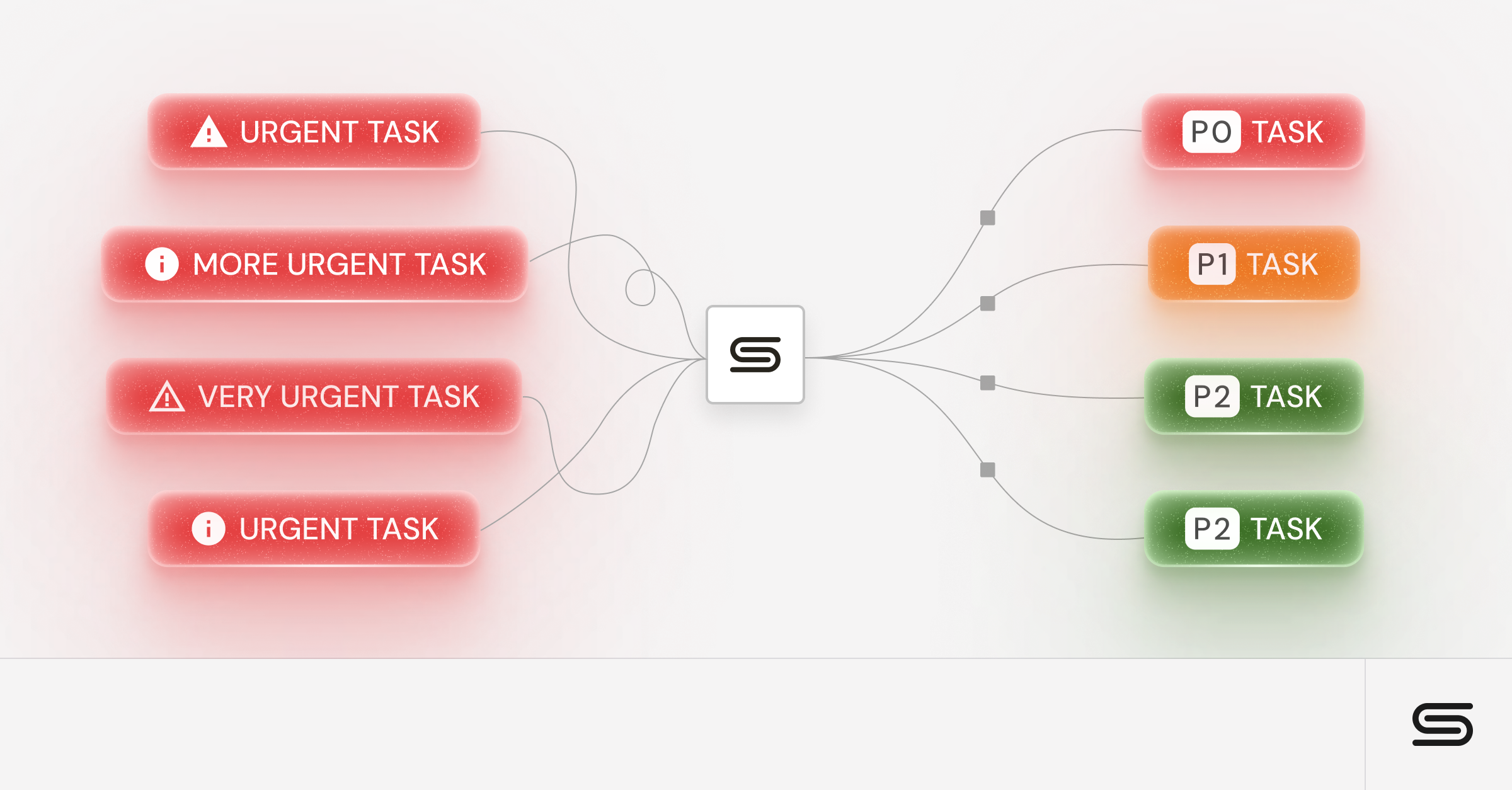
- Managing intake and triage of legal requests: AI software such as Streamline AI can parse contracts in legal requests and automatically flag deviations from playbooks and route requests out for approval based on preset parameters.
- Contract review: AI can parse contracts, flag specific clauses if they deviate from playbooks, and extract essential metadata for summary and analysis.
- Contract obligation management: AI can enhance the automation and streamlining of contract obligation tracking, leading to a more efficient and effective monitoring process.
- Compliance and risk management: AI can accurately analyze vast datasets quickly and consistently, making it a cost-effective tool for compliance and risk management. It can sift through datasets such as transactions and communication records to spot patterns and hidden risks. It can monitor compliance programs or generate insights on relationships and patterns. It can also automate routine compliance tasks such as expense report reviews.
- Generating slide presentations for Legal: AI tools can create slide decks in minutes, saving valuable time for strategic work.
- Overcoming Resistance to AI Tech Adoption. A significant challenge for in-house legal teams is the reluctance to adopt new technologies, especially AI. To make it easier, start with a small, manageable project that can demonstrate value swiftly. Identify the problem that needs to be solved and aim to solve it within 4 to 8 weeks. By tracking and showcasing the small win, you’ll build credibility and pave the way for undertaking larger projects with potentially greater impact.
Frequently Asked Questions
What Are Practical Uses Of AI For In-House Legal Teams?
Practical uses include managing intake and triage of legal requests, reviewing contracts and flagging playbook deviations, tracking contract obligations, supporting compliance and risk monitoring, preparing for difficult conversations, and generating slide presentations. Used carefully, AI accelerates routine work so lawyers can focus on higher-value matters.
Can In-House Legal Teams Rely On Generative AI?
Generative AI is useful but should be used with caution. Many general-purpose tools are trained on public rather than legal-specific data, so their output can look correct but be inaccurate or fabricated. Human oversight is important to verify accuracy, so AI works best as an accelerator rather than a replacement.
What Are The Risks Of Using Generative AI In Legal Work?
The main risks are inaccurate or fabricated outputs, sometimes called hallucinations, since many models are trained on public data and can produce convincing but wrong information. Relying on AI without review can introduce errors into legal work, so human-in-the-loop oversight is important to make sure accuracy and reliability.
How Can Legal Teams Overcome Resistance To Adopting AI?
Legal teams can overcome resistance by starting with a small, manageable project that demonstrates value quickly. Identifying a specific problem and aiming to solve it within a few weeks builds confidence and momentum. Tracking results from that initial success helps make the case for broader adoption.
How Does AI Help With Contract Review?
AI can parse contracts, flag clauses that deviate from playbooks, and extract important metadata for summary and analysis. This speeds up the initial review, helps identify risk, and can trigger appropriate approvals. With human review for accuracy, AI reduces the time lawyers spend on routine contract analysis.


.avif)