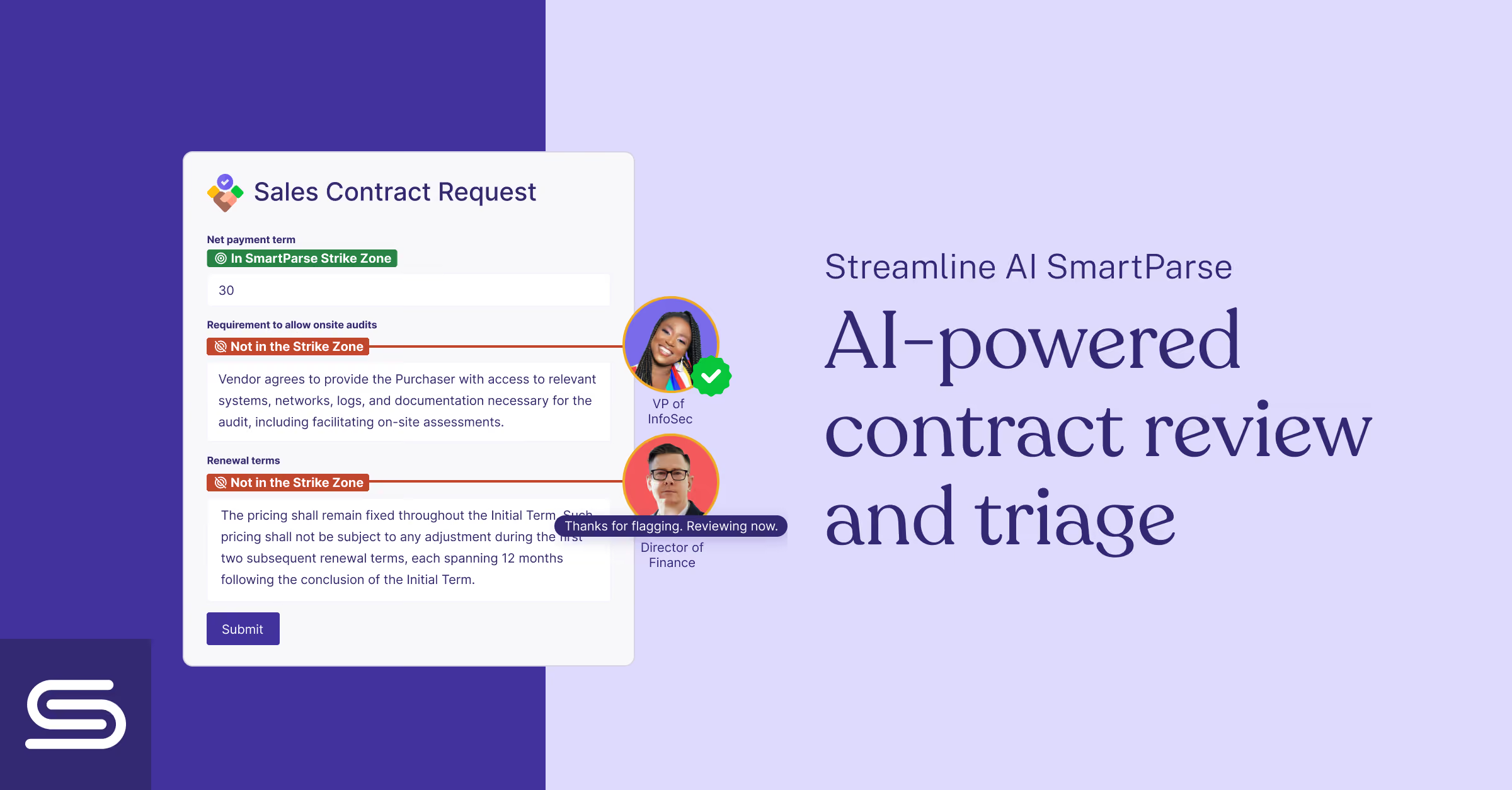
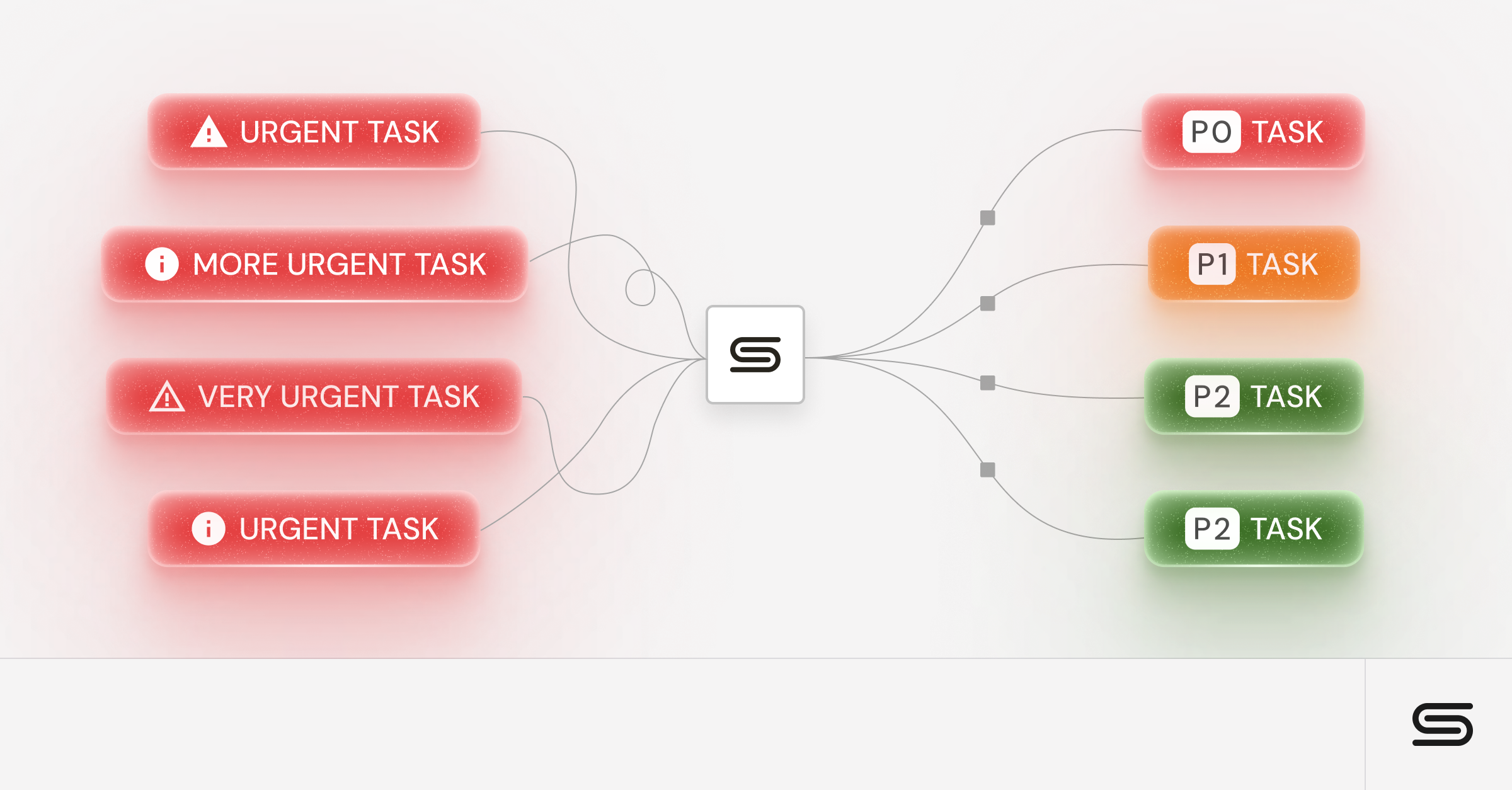
Many in-house lawyers are familiar with the scenario: a stack of legal requests with accompanying contracts to review, making it daunting even to know where to begin. With some requests requiring an extensive review and others more straightforward, the challenge for legal professionals is efficiently sorting and prioritizing these tasks. Reviewing contracts is a time-consuming process that can stall business processes and delay critical agreements. How can in-house counsel swiftly triage legal requests to identify which ones are more complex — requiring more time and effort for reviews and approvals — without spending hours on each one?
Key Takeaways
- Contract review and triage are time-consuming, and sorting which requests need deep review versus a quick check can stall business processes.
- AI-powered contract parsing analyzes agreements in seconds, identifying which requests need the most attention by flagging issues early.
- Setting primary and fallback strike zone positions lets counsel see whether clauses meet standards, hit fallback, or fall outside acceptable ranges.
- Connecting strike zones with workflows automatically routes flagged clauses to the right reviewers, so no approval is delayed.
- Want to fast-track contract triage with AI? See how Streamline AI's SmartParse works and book a demo.
Introducing Streamline AI’s SmartParse
Streamline AI’s new offering, SmartParse fast-tracks the contract review and triage process by leveraging advanced AI technology. SmartParse efficiently analyzes contracts in seconds and quickly identifies the requests that require the most attention. By pinpointing potential issues early in the process, SmartParse enables counsel to proactively kick off necessary reviews and approvals, streamlining the contract review process.

Rapid issue identification
Legal counsel can set primary and fallback strike zone positions for key clauses in Streamline AI’s software. Once these positions are defined in Streamline AI’s tool, counsel can upload contract files for SmartParse analysis. SmartParse identifies and assesses key contract clauses against those primary and fallback strike zone positions to identify whether they fall within the strike zone, meet fallback positions, or are outside of the strike zones. Users can access a summary of the evaluation results, significantly reducing initial review time.

For instance, if a company’s standard indemnification clause limits liability to direct damages only, but a contract under review includes a clause that allows for consequential damages, SmartParse would flag this as being outside the strike zone. The legal team can then quickly assess the potential risks associated with this deviation and determine the appropriate course of action.
SmartParse goes beyond traditional word-by-word comparison methods by examining the nuances and meaning behind contract clauses and subclauses. This more sophisticated approach accounts for the unique drafting styles of legal professionals, ensuring a more effective and thorough analysis against form contracts and playbooks.
Do you need to dig in deeper to understand what specific text changes were made to the form contracts? With a single click, legal teams can access a redline to compare current clause text against standard playbook provisions.

Connect strike zones with workflows
SmartParse can be configured to automatically route legal requests for approvals based on preset strike zone roles, ensuring that contracts receive the appropriate level review. When a clause falls outside the acceptable range, SmartParse flags it and automatically involves the right contacts in the review process.

For example, let’s say a company’s standard payment terms are net 30 with a fallback position of net 45, but a key sales contract with significant revenue impact includes a clause for net 60 payment terms. SmartParse would flag this clause as being outside the primary and secondary (fallback) strike zones and automatically route the contract to the finance team for additional review. The finance team can then assess the potential impact of the longer payment terms and determine whether the revenue justifies the deviation from the company’s standard terms.
This AI-powered workflow automation guarantees that no approval is delayed, as Streamline’s system intelligently determines which clauses require additional attention and routes them to the appropriate team members. By streamlining the review process with AI and involving the right people at the right time, SmartParse helps legal teams work more efficiently and effectively.
Elevate your contract review process with SmartParse
With SmartParse, what used to take hours now takes minutes. It provides an almost instant snapshot of the contract’s alignment with your company's standards, allowing legal professionals to prioritize their workload more effectively. Streamline AI helps legal teams reduce the time spent on contract reviews. Schedule a demo with the Streamline AI team to see SmartParse live and learn how your team can work more effectively.
Frequently Asked Questions
What Is AI-Powered Contract Parsing?
AI-powered contract parsing uses artificial intelligence to analyze contracts quickly, identifying and assessing key clauses against an organization's standard positions. Rather than reading each contract line by line, counsel get a summary of where clauses fall relative to approved terms, which significantly reduces initial review time and highlights requests that need attention.
What Is A Strike Zone In Contract Review?
A strike zone is the acceptable range for a contract clause, defined by an organization's primary preferred position and a fallback position. When a clause falls within the strike zone, it meets standards. When it falls outside, it is flagged for review. Strike zones help counsel quickly assess whether terms are acceptable.
How Does AI Help Prioritize Contract Reviews?
AI can analyze contracts in seconds and flag which clauses deviate from standard positions, letting counsel see at a glance which requests are more complex and need deeper review. This helps legal teams prioritize their workload, focus attention where risk is highest, and avoid spending hours on straightforward agreements.
Can AI Route Contracts For Approval Automatically?
Yes. When configured, AI-driven review can flag clauses that fall outside acceptable ranges and automatically route those contracts to the right reviewers, such as finance for nonstandard payment terms. This makes sure the appropriate stakeholders are involved without manual routing, preventing delays in the approval process.
How Is AI Contract Analysis Different From Word-By-Word Comparison?
AI contract analysis examines the meaning and background behind clauses rather than comparing text word by word. This lets it account for different drafting styles and recognize when wording changes do or do not materially alter a clause. The result is a more accurate and meaningful assessment of a contract against company standards.
.avif)